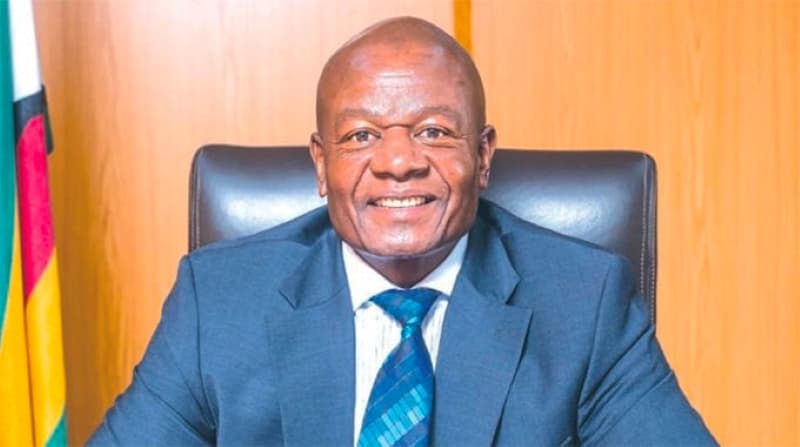
Civil servants start getting revised salaries from Tuesday
Civil servants are set to start receiving revised salaries from Tuesday, with uniformed forces expected to be first as government begins rolling out a new pay structure.
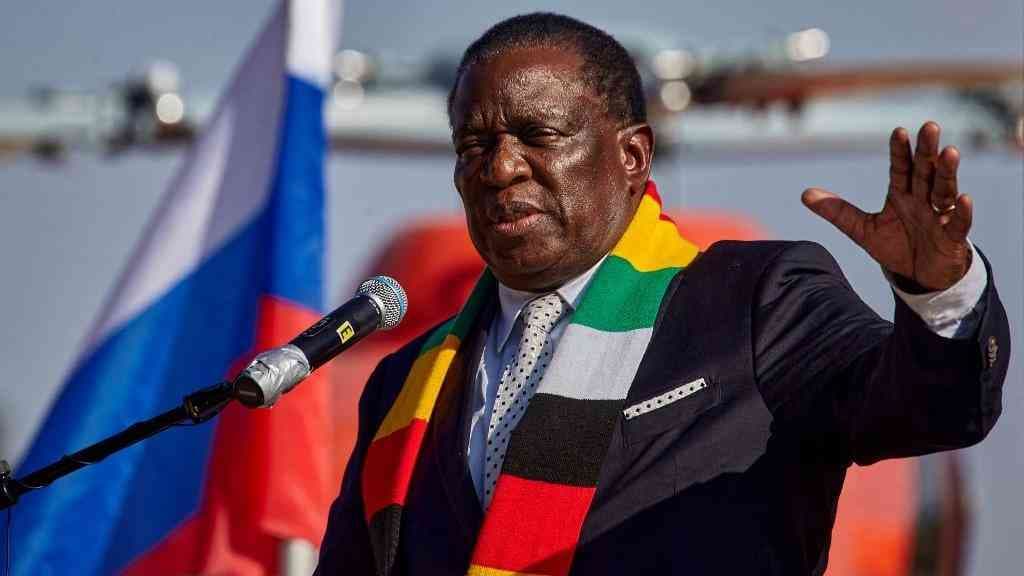
Civil servants are set to start receiving revised salaries from Tuesday, with uniformed forces expected to be first as government begins rolling out a new pay structure across the public service.
The increase matters because it comes at a time when workers are still trying to protect their incomes from transport costs, fuel shifts and broader price pressure. The announcement may bring relief, but the real issue is whether the new salaries will still hold value after payday.
Under the new structure, lower grades will earn about US$370, while senior grades will receive close to US$900. Entry-level grades in the A3 band will earn between US$370 and US$375, while workers in the B band, covering grades B1 to B5, will receive between US$376 and US$435.
Mid-level employees in the C band will earn between US$463 and US$536. Senior grades in the D band will receive between US$724 and US$897.
Public Service, Labour and Social Welfare Minister Edgar Moyo said the review was meant to align salaries with skills, qualifications and responsibilities across the public service.
Cecilia Alexander, president of the Zimbabwe Confederation of Public Sector Trade Unions, said members of the uniformed forces would be the first to receive the adjusted salaries.
The salary review is being introduced alongside government’s wider push to stabilise the Zimbabwe Gold currency through a blended pay system that combines a United States dollar component with a Zimbabwe Gold portion indexed to the prevailing exchange rate.
That is where the real test begins. A revised pay scale may look stronger on paper, but workers will judge it by what it can actually buy in food, transport and other basic needs.
Government has also continued to lean on non-cash benefits as part of its wider public service package. These include the vehicle rebate scheme, subsidised bus transport, housing support and access to public sector medical aid.
A teacher from Chitungwiza, Rudo Moyo, said the vehicle rebate scheme had eased her transport burden and said the revised salary structure would only make a real difference if prices remained stable.
Her point is the one that matters most. Civil servants are not only watching the figures on their payslips. They are watching whether those figures can survive the cost of living.
Industry and Commerce Minister Mangaliso Ndlovu said government monitoring of a 14-product basic basket showed limited price movement, while Finance Minister Mthuli Ncube said the aim was to protect workers’ purchasing power from inflationary pressure.
That is now the government line. But if prices rise faster than the new salaries can absorb, the review will quickly lose its effect.
What civil servants are receiving this week may ease pressure in the short term, but the real verdict will come later, when workers decide whether the new structure changed their lives or simply changed the numbers on paper.
Related articles


Latest updates



Comments
No comments yet. Be the first.