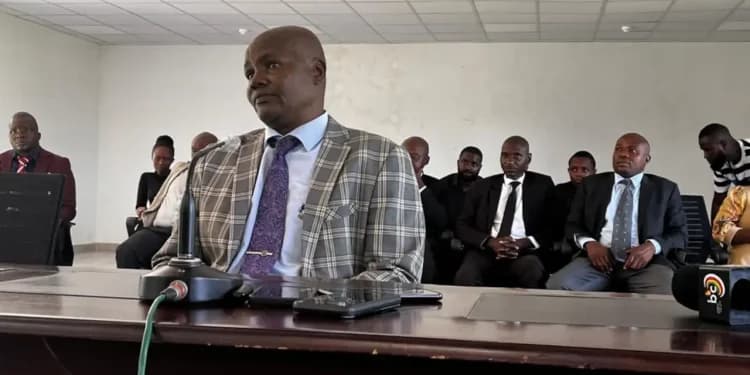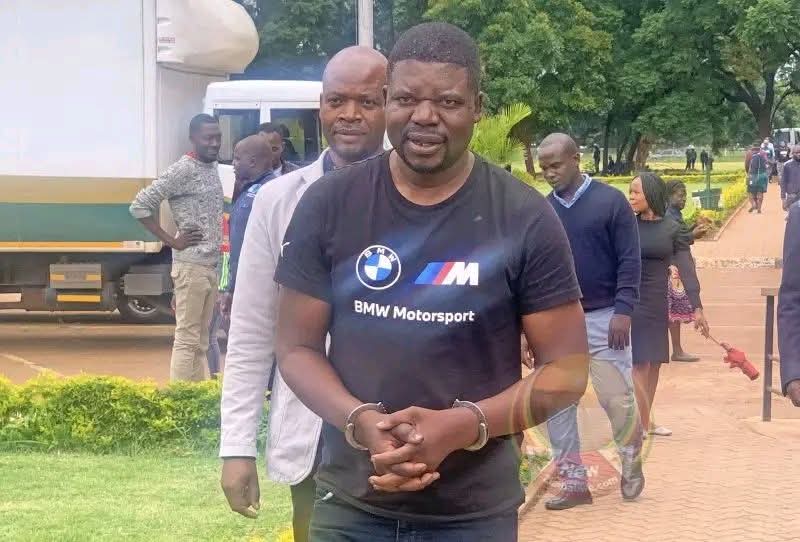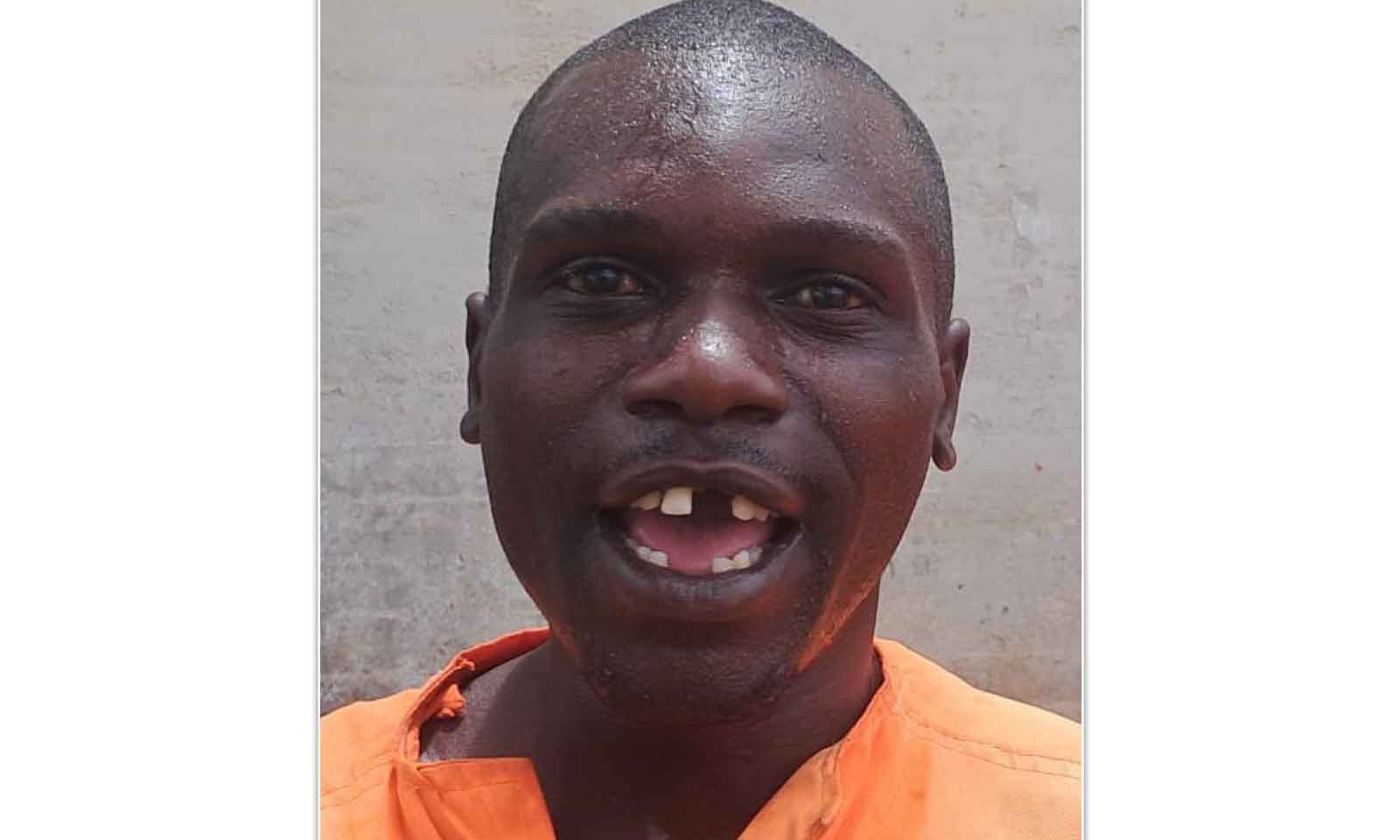
A Harare man with a prior drug conviction is back behind bars after being found guilty of theft, having turned down an offer of community service from the magistrate with a response that raised eyebrows in court.
Bernard Hwete, known widely in the city's entertainment circles as Liquid Yonke, was sentenced to 12 months in prison, with five months suspended, after being convicted of stealing a mobile phone at a nightclub along Nelson Mandela Avenue. He completed a drug-related prison sentence in March 2024 and had been free for less than two years before his return to custody.
When the presiding magistrate offered him the option of performing community service as an alternative to incarceration, Hwete declined, telling the court that cleaning the city was a task that belonged to the Harare City Council.
Hwete gave his own account of events to journalists, placing the blame for his return to prison on a woman he met while socialising in the city after his release.
"I had promised myself I wouldn't return to prison after completing my drug sentence in March 2024," he said. He described meeting a woman at a nightclub and accompanying her during a night out, saying the situation took a turn when the woman stole a high-end mobile phone from another patron at the club. He said he took the phone from her in a moment of confusion, not anticipating what would follow.
When the woman reported him to police, Hwete said he attempted to settle the matter privately, offering her forty US dollars. He said someone subsequently informed her of the phone's actual market value, which he compared to that of a Honda Fit motor vehicle.
Hwete said he expects to complete his sentence before September this year.
His return to Harare Central Prison places him among a population that illustrates a serious and persistent challenge facing Zimbabwe's corrections system. By the afternoon of his arrival, the facility held 2,260 inmates against a designed capacity of 1,128, representing overcrowding of almost exactly one hundred percent.
Hwete was among inmates who received donations through a joint outreach initiative by the Pathway to Reintegration Foundation and the Zimbabwe Prisons and Correctional Service. Madzibaba Nigel Dokwani of Johanne Masowe yeChishanu contributed plastic shoes, toiletries, toothbrushes, and soccer balls to those held at the facility.
The case draws attention to the broader challenge of reintegration for formerly incarcerated individuals in Zimbabwe, where recidivism remains a concern and support structures for people transitioning out of custody are limited. Hwete's account of his re-offending, whether accepted at face value or not, points to the vulnerability of that transition period and the ease with which it can unravel.