Petrol retailers in the United Kingdom have pushed back against accusations of profiteering after fuel prices rose sharply following the escalation of the US-Israel conflict with Iran.
Industry representatives said government comments suggesting companies could be “ripping off” motorists had fuelled abuse against petrol station staff.
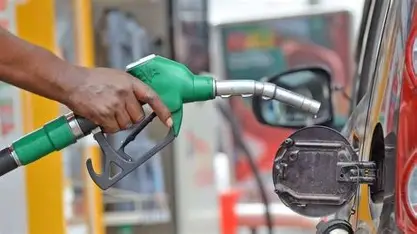
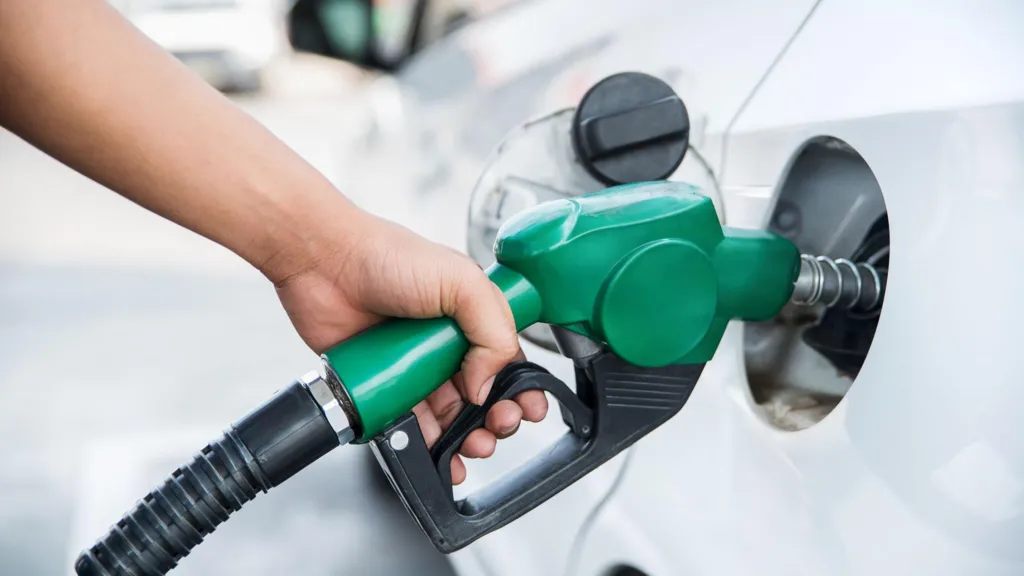
The rise in global oil prices has pushed petrol to an 18-month high, according to motoring organisation RAC, raising concerns among motorists already facing increasing energy costs.
Government warns against price gouging
Prime Minister Sir Keir Starmer warned that the government would intervene if companies exploited the situation to raise prices unfairly.
“If fuel companies try to rip off customers, my government will step in,” Starmer said.
Chancellor Rachel Reeves and Energy Secretary Ed Miliband said the Competition and Markets Authority (CMA) was monitoring the market closely for any unjustifiable price increases.
Miliband said the government would not tolerate unfair practices in the fuel market.
“It would be completely unacceptable for anyone to use this crisis to rip people off,” he said.
Retailers reject accusations
The Petrol Retailers Association (PRA), which represents fuel station operators, said accusations of profiteering were misleading and had created tension between customers and retail staff.
PRA executive director Gordon Balmer said some petrol station workers had faced abuse from members of the public following comments made about possible price gouging.
“Recently I have heard of incidents from some of our members of retail staff being abused by members of the public who may have been provoked by the incorrect and inflammatory language,” he said.
The PRA briefly threatened to withdraw from a meeting between the industry and government officials in Downing Street over concerns about media coverage but later agreed to attend after assurances were given that journalists would only be present briefly.
Fuel prices surge
According to RAC data, petrol prices have increased to an average of 140.60p per litre, compared with 132.83p per litre before the conflict began.
Diesel prices have also risen sharply, climbing from 142.38p per litre to 159.18p per litre over the same period.
Simon Williams, RAC head of policy, said motorists expected fair pricing from fuel retailers.
“Drivers deserve to be treated fairly when it comes to filling up, especially with pump prices still heading north,” he said.
Broader energy concerns
The UK government is also facing pressure to respond to wider energy cost increases linked to tensions in the Middle East and disruptions to oil shipments through the Strait of Hormuz.
Some energy industry leaders have called for expanded oil and gas exploration in the North Sea to strengthen domestic energy supply.
However, Miliband said the government remained committed to its transition toward clean energy.
“The right answer for energy security is clean, homegrown power that we control,” he said.
The government is also reviewing whether the planned increase in fuel duty scheduled for September should go ahead.