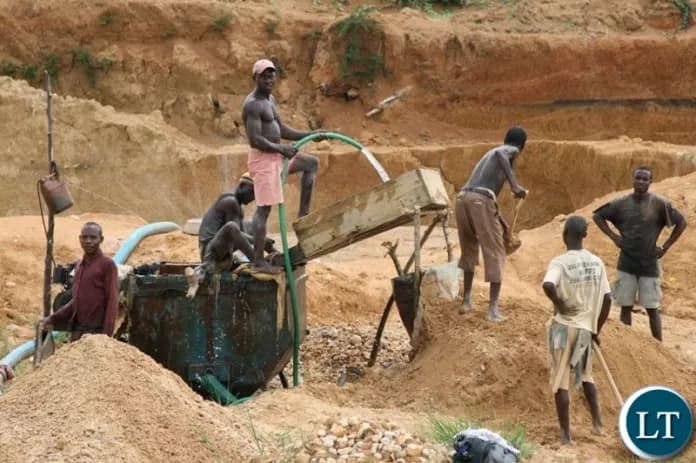
HARARE — As Zimbabwe prepares to mark its 46th Independence Day in April, data from the country's mining sector tells a striking story of economic transformation. Small-scale and artisanal gold miners now account for more than 60 percent of all gold delivered in Zimbabwe — a dramatic reversal from the colonial era, when the industry was almost entirely controlled by white-minority interests.
The shift represents one of the most concrete examples of post-independence economic empowerment, with thousands of young Zimbabweans now participating in an industry that, before 1980, was legally inaccessible to the black majority.
From exclusion to engine of growth
Industry analysts say the opening of Zimbabwe's mining sector to indigenous participation — accelerated by the land reform programme in the early 2000s and subsequent government policies — has unlocked mineral wealth that was previously untapped by communities living above it.
Youth empowerment advocate Mrs Annah Mabhena said independence had structurally changed who could participate in the economy.
"Our government, after independence, enabled many young people to go into the mainstream economy, and mining is one of them. Young people are playing a very big role — and most people seem to forget that this is due to the fact that independence opened up sectors of the economy that were closed to blacks." — Mrs Annah Mabhena, youth empowerment advocate
Jobs, skills, and a new generation of mine owners
Beyond raw output figures, the human impact is visible in the workforce composition of today's small-scale operations. Miner Dumisani Dube, who runs an operation employing more than 500 people, said his workforce includes geologists and metallurgists — professional roles unimaginable for black Zimbabweans under Rhodesian rule.
"We are now enjoying the fruits of our fathers' labour," Dube said. "We run mines that employ many young people — even professionals like geologists and metallurgists — and we send them to the Zimbabwe School of Mines for training. Only whites had such privileges before independence."
Fellow miner Bekezela Moyo said the broader wealth effect within the sector had been transformative for a generation of entrepreneurs.
"We have seen serious wealth creation among young miners — a direct result of our independence that allowed us into an economic sector previously reserved for whites. This is a great time to admit that independence brought fruit that has uplifted us in a big way." — Bekezela Moyo, small-scale miner
Contribution to national GDP and the ZiG economy
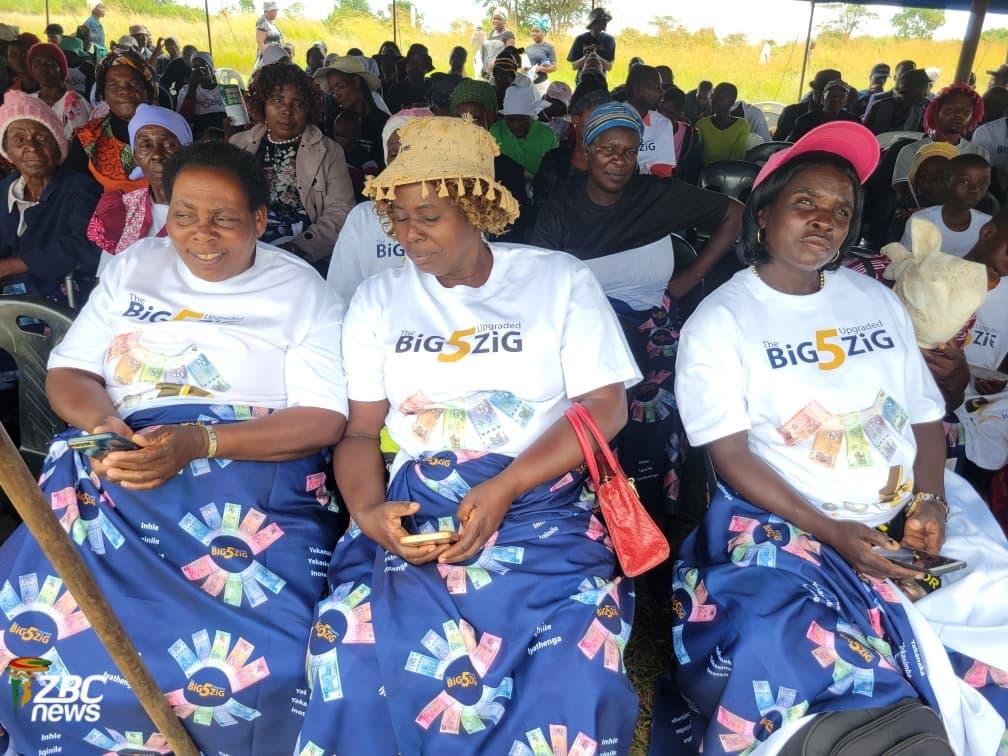
The growing share of small-scale miners in Zimbabwe's gold output has significant implications for the country's broader economic strategy. Gold remains one of Zimbabwe's top foreign currency earners, and deliveries to Fidelity Gold Refinery underpin reserves that back the Zimbabwe Gold (ZiG) currency introduced in 2024.
Miner Nigel Shamu said the sector's contribution to the national GDP represented a fundamental shift from an era when mineral wealth flowed almost entirely out of black communities.
"We are a testimony of empowerment which resulted from independence. Imagine the days when possession of gold was criminal, compared to where we are today — contributing to national GDP, with many young black millionaires made through the resources of their own country."
Challenges remain as the sector scales
Despite the gains, the small-scale mining sector continues to grapple with challenges including access to formal financing, environmental management, and illegal gold smuggling — the latter estimated to cost Zimbabwe hundreds of millions of dollars annually in lost revenue. Government and industry stakeholders have repeatedly called for tighter formalisation of artisanal operations to ensure more gold reaches official channels.
The Reserve Bank of Zimbabwe (RBZ) has been expanding financial literacy and ZiG awareness campaigns among mining communities, recognising the sector's outsized role in sustaining gold inflows.
Looking ahead: independence and economic identity
As celebrations approach, the mining sector's transformation stands as one of the defining economic narratives of Zimbabwe's post-independence journey — from exclusion to majority ownership, from restriction to contribution. For the hundreds of thousands of Zimbabweans now working in small-scale gold mining, independence is not an abstraction; it is a payslip, a mining licence, and a stake in the ground.
Key facts & context
Small-scale miners now contribute over 60% of Zimbabwe's total gold deliveries
Zimbabwe's gold sector is a primary earner of foreign currency underpinning the ZiG currency
The Zimbabwe School of Mines provides vocational training to artisanal sector workers
Gold smuggling remains a significant challenge, with estimates suggesting hundreds of millions lost annually
Independence Day 2026 falls on 18 April — Zimbabwe's 46th anniversary