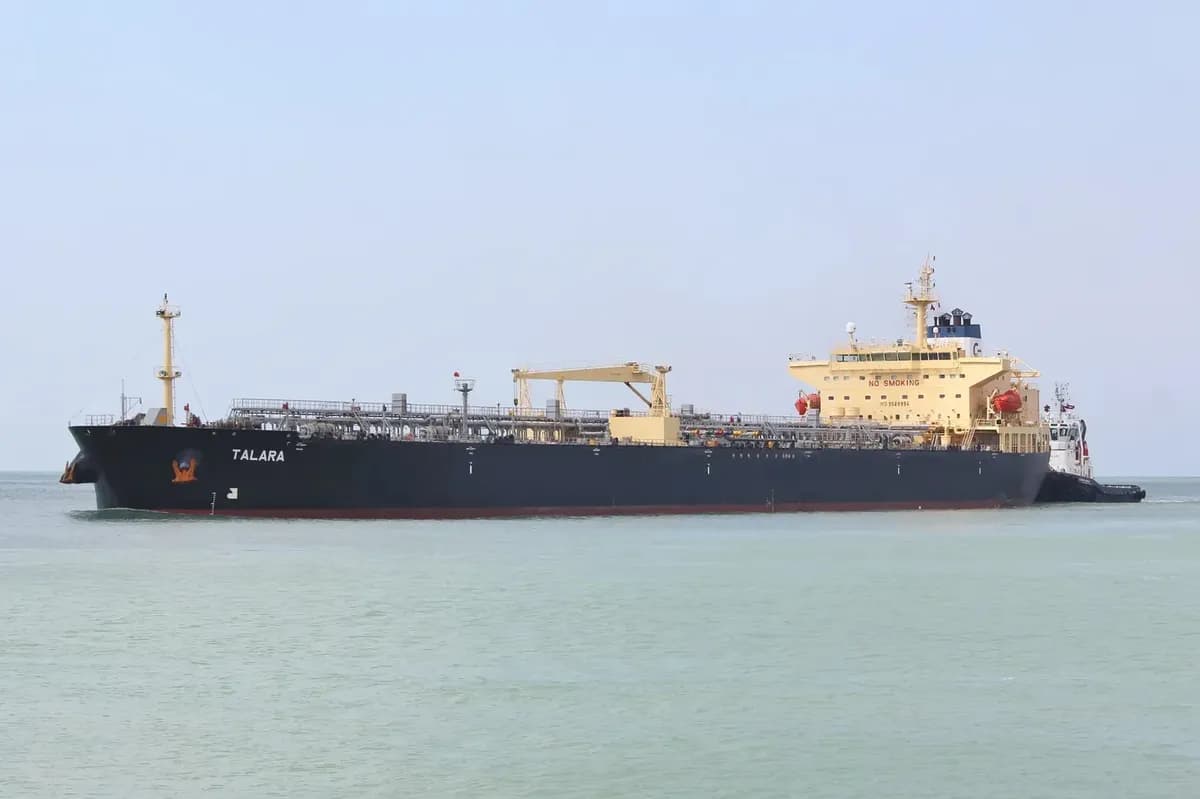
The Strait of Hormuz is sliding toward a pay-to-pass reality as Iran tightens control of shipping and the United States moves more troops and warships toward the Gulf, raising the risk of a wider fight and a fresh energy shock.
Industry analysts say Iran is already operating a de facto screening and fee system for vessels transiting the chokepoint, where about 20% of traded oil and natural gas moves in peacetime. Brent crude traded above $100 a barrel on Thursday as markets priced in the disruption.
Iran moves to formalize fees and screenings in the strait
Iranian media close to the Islamic Revolutionary Guard Corps quoted lawmaker Mohammadreza Rezaei Kouchi as saying parliament is working to formalize charges for ships transiting the strait.
“We provide its security, and it is natural that ships and oil tankers should pay such fees.”
Mohammadreza Rezaei Kouchi, Iranian lawmaker (as quoted by The Associated Press)
Shipping intelligence firm Lloyd’s List Intelligence described the system as a “de facto ‘toll booth’ regime,” saying vessels are being required to submit manifests, crew details, and destinations for sanctions screening and what it called geopolitical vetting. Lloyd’s List said at least two vessels have paid, with settlements in Chinese yuan.
US troop moves raise fears of ground options, but intent is unclear
A strike group led by the amphibious assault ship USS Tripoli is moving closer with about 2,500 Marines aboard, and at least 1,000 paratroopers from the 82nd Airborne Division have been ordered to the region, according to the report.
The deployments do not guarantee Washington will attempt to force open the strait by military action. But analysts say the build-up creates options, including pressure on Iranian infrastructure near the waterway and major export hubs.
“We’re not done yet.”
Adm. Brad Cooper, Commander, United States Central Command (as quoted by The Associated Press)
Cooper said US forces have struck thousands of targets since the war began on Feb. 28 and claimed heavy damage to Iranian ships and production sites tied to missiles, drones and naval capacity. Iran has not accepted those claims in full and independent verification remains limited in the fog of war.
Contradiction at the centre of the ceasefire push
Washington says a ceasefire proposal has been delivered via intermediaries and includes reopening the Strait of Hormuz. Iran’s Foreign Minister Abbas Araghchi said on Iranian state television that there are no negotiations underway and none planned, describing US messages as not amounting to talks.
That gap matters because oil markets and insurers respond to actions, not statements. Iran is moving to formalize control of the strait while both sides publicly deny the other’s diplomatic framing, leaving shipping firms to price risk without a clear off-ramp.
Missiles, drones, and rising civilian toll across the region
Sirens in Israel warned of incoming Iranian missiles, and authorities in the United Arab Emirates reported two people killed and three wounded by falling shrapnel after an interception over Abu Dhabi. Saudi Arabia reported intercepting drones over its Eastern Province, and Bahrain reported extinguishing a blaze near an area that includes Bahrain International Airport.
The Associated Press reported that Iran’s Health Ministry says more than 1,500 people have been killed in Iran since the war began. Twenty people have been killed in Israel, with additional Israeli soldiers killed in Lebanon, and at least 13 American troops have been killed, according to the report.
What happens next
If Iran continues turning Hormuz into a controlled gate, the next escalation may not be another strike, it may be a decision by insurers, shippers, and major buyers to treat the route as untradeable without guarantees neither side is currently offering.