The World Health Organization has warned of serious health risks from toxic “black rain” in Iran after strikes on oil facilities released hazardous compounds into the air, as the United States said it was carrying out its most intense day of attacks yet in the war with Iran.
WHO spokesperson Christian Lindmeier said reports of oil-laden rainfall and acidic pollution posed a danger to public health, especially to people with respiratory conditions. The agency said advice for residents to stay indoors was appropriate given the scale of the contamination.
The warning came as US Defence Secretary Pete Hegseth said Tuesday would mark the heaviest phase of strikes since the conflict began, with Washington increasing pressure on Iranian missile sites and military infrastructure.
WHO Warns Black Rain in Iran Could Trigger Respiratory Risks
The WHO said hydrocarbons, sulphur oxides and nitrogen compounds released from burning oil facilities had contributed to dangerous air conditions in parts of Iran. The agency warned the fallout could cause headaches, eye irritation, breathing problems and longer-term health risks if exposure continues.
Reports cited by Reuters said black liquid had accumulated outside buildings in Tehran, including near WHO offices, after attacks on energy infrastructure. Scientists quoted by Reuters described the phenomenon as a visible sign of unusually toxic pollution in an already stressed urban environment.
US Says Strikes on Iran Have Reached Most Intense Phase
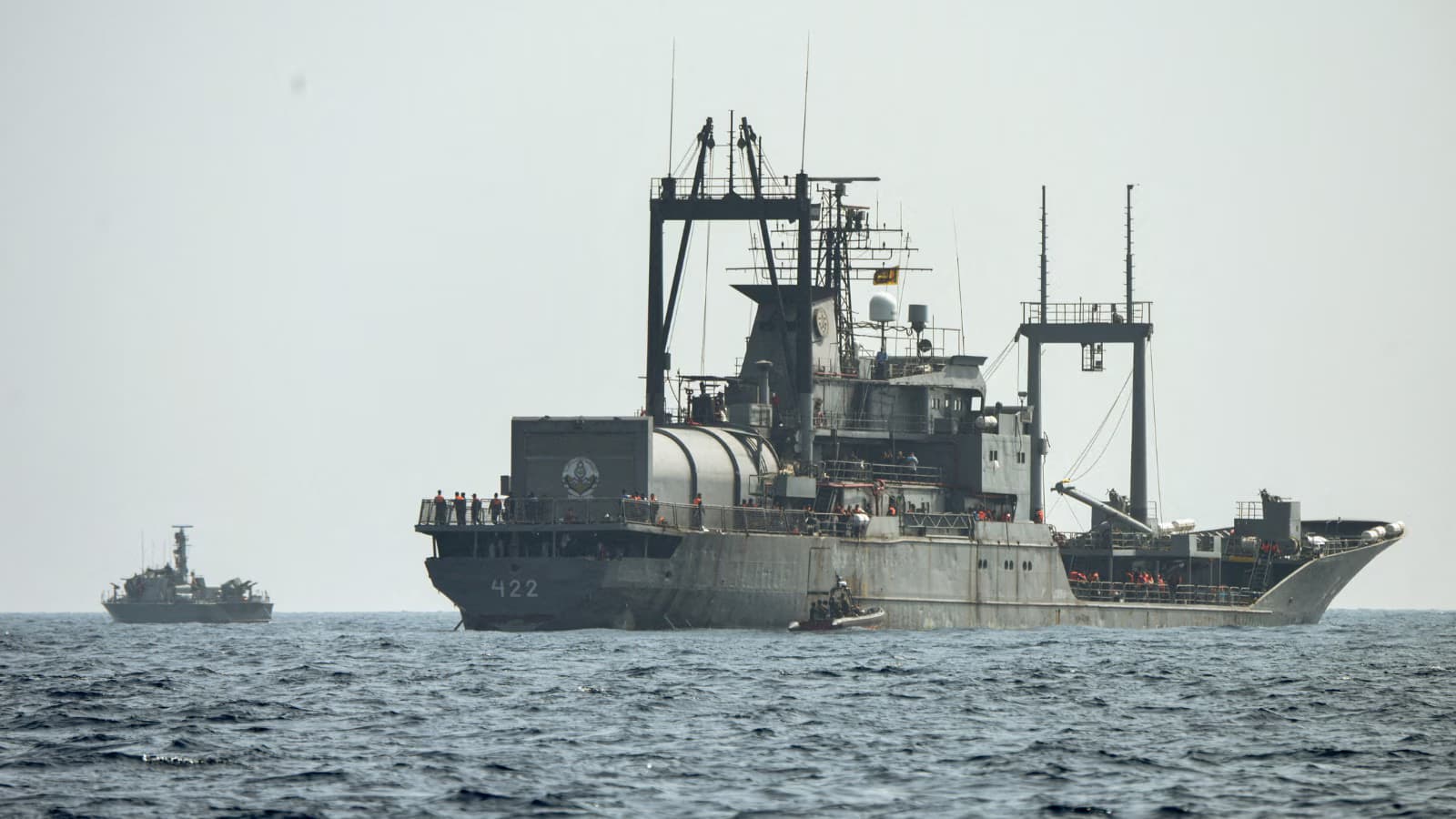
At the Pentagon, Hegseth said the United States was escalating its aerial campaign, describing March 10 as the most intense day of strikes inside Iran so far. Reuters reported that US officials said more than 5,000 targets had already been struck since the war began and that more than 50 Iranian naval vessels had been destroyed.
Top US general Dan Caine said Iran was still fighting back but had been weakened by continued bombardment of missile and weapons sites. He said Iranian missile activity had dropped as the US campaign expanded.
Strait of Hormuz Crisis Adds Pressure to Global Markets
The conflict has also intensified fears over the Strait of Hormuz, one of the world’s most important oil shipping routes. Reuters reported that US officials were monitoring Iranian moves near the waterway as concerns grew about possible mine-laying operations and further disruption to global energy flows.
That has kept markets on edge, with the war increasingly seen as both a military confrontation and an economic threat. The longer the conflict continues, the greater the risk of wider disruption to oil, shipping and regional security.
Why This Story Matters
The “black rain” warning shifts the focus beyond battlefield developments and onto the civilian and environmental cost of the war. This is no longer just about missiles and military targets. It is now a public health emergency layered onto a regional conflict with global consequences.
The coming days will matter. If attacks on oil infrastructure continue, Iran could face worsening pollution, broader health fallout and deeper disruption to daily life, while the US and its allies risk pulling the region into an even wider crisis.