Mnangagwa moves Majome after rights criticism of CAB3 hearings
Jessie Majome reassignment came days after she condemned intimidation and exclusion at CAB3 hearings, deepening concern over the Bill.
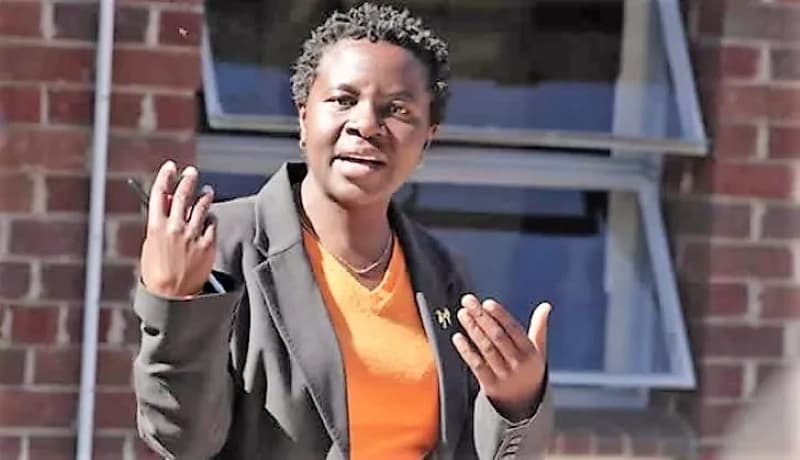
ZIMBABWE -Jessie Majome was removed as chairperson of the Zimbabwe Human Rights Commission days after the commission condemned intimidation, exclusion and violence at public hearings on Constitutional Amendment Bill Number 3.
President Emmerson Mnangagwa has now reassigned Majome to the Public Service Commission, a move that comes barely a week after she publicly criticised the conduct of the parliamentary hearings. The sequence is the story: a constitutional watchdog raised alarms over rights violations in a politically sensitive process, and its chair was shifted out soon after.
Constitutional Amendment Bill Number 3, commonly known as CAB3, has become one of the most contested political proposals in Zimbabwe. The Bill would extend Mnangagwa’s term by two years to 2030, change the election cycle from five years to seven, and introduce a parliamentary route for choosing the president instead of a direct public vote.
Majome’s criticism landed at the centre of a volatile CAB3 fight
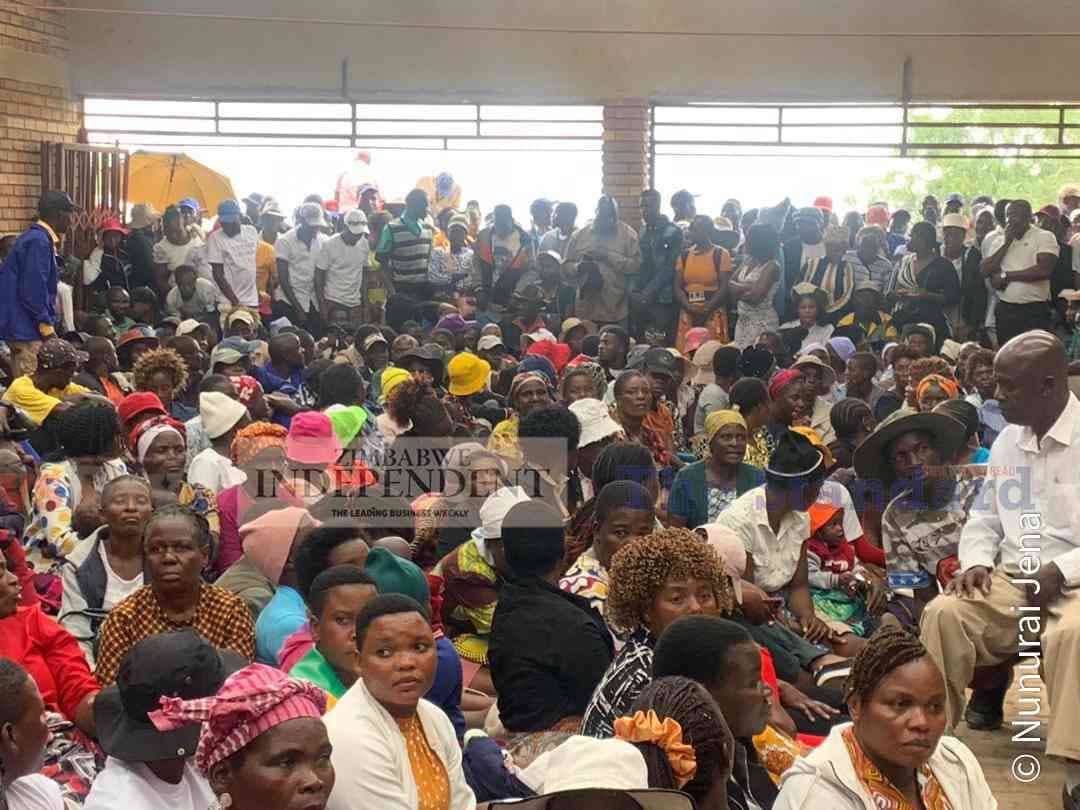
Speaking in Harare earlier this week, Majome said the Zimbabwe Human Rights Commission had observed a pattern of controlled participation during the parliamentary hearings.
She said venues were too small for the number of people who wanted to attend, leaving many unable to enter or contribute. More seriously, she said those opposed to the Bill were harassed, intimidated and shut out while supporters were allowed to participate.
“Whilst those in support of the Constitutional Amendment were able to give their views, the Commission noted the harassment and intimidation of dissenting voices. Individuals and groups opposed to CAB3 were denied audience. Jessie Majome, then Chairperson, Zimbabwe Human Rights Commission.
The commission also said people with opposing views were threatened, silenced, denied opportunities to speak and, in some cases, physically attacked.
The commission described a pattern of restricted and controlled access
Majome said the problems were not isolated to one hearing or one city. She described what the commission saw as a broader pattern across provinces.
“There was a strong pattern of controlled participation across most provinces. Some entrances to venues were often controlled by youths, with vetting at entry points and supervised sign-in registers with restricted access. For example in Mashonaland West, men holding whips were involved in vetting participants in Mhondoro Ngezi.” Jessie Majome, then Chairperson, Zimbabwe Human Rights Commission.
Those are not procedural complaints. They are allegations that a parliamentary consultation process on a major constitutional change was shaped by intimidation, restricted access and selective participation.
Majome said that conduct violated constitutional protections including freedom of expression, freedom of conscience, human dignity, personal security, and equality and non-discrimination.
Mnangagwa’s reassignment came immediately after the criticism
On Friday evening, Chief Secretary to the President and Cabinet Martin Rushwaya confirmed that Majome had been moved from the Zimbabwe Human Rights Commission to the Public Service Commission with immediate effect.
“In terms of Section 202 (1)(b) of the Constitution of Zimbabwe, His Excellency the President, Cde. Dr. Emmerson Dambudzo Mnangagwa has re-assigned Ms Fungayi Jessie Majome from the position of the Chairperson of the Zimbabwe Human Rights Commission to the position of Commissioner in the Public Service Commission.” Martin Rushwaya, Chief Secretary to the President and Cabinet
The government statement framed the move as a reassignment. But timing matters. Majome’s removal did not happen in a vacuum. It came directly after unusually blunt criticism from a state-appointed rights commission over a Bill that would extend presidential power and reshape the electoral system.
That contradiction now sits in plain view. A commission tasked with defending constitutional rights spoke out about intimidation in a constitutional process, and its chair was removed days later.
CAB3 is no longer just about term limits
The Bill was already contentious because of what it seeks to change. Extending presidential tenure, lengthening the election cycle and shifting presidential selection from voters to Members of Parliament would alter the balance between citizens and the executive in fundamental ways.
But Majome’s reassignment adds a second layer to the story. The issue is no longer only what CAB3 contains. It is also what happens to institutions and officials who challenge the process surrounding it.
That matters beyond party politics. A constitutional amendment process depends on public confidence that hearings are open, dissent is protected and watchdogs can speak without retaliation.
The unanswered issue is whether the message was meant for Majome alone
Majome is a former Harare West legislator, a lawyer and a former deputy minister who served during the Government of National Unity from 2009 to 2013. When she was appointed in 2024, some critics questioned her political independence, but her public stance on CAB3 hearings has now put that debate in a different light.
The harder question now is not whether she was reassigned, but what signal that move sends to every other institution expected to speak honestly when constitutional rights are under pressure.
Additional reporting sourced from NewZimbabwe.com. The Granite Post has independently verified key details.
Related articles
Latest updates


Comments
No comments yet. Be the first.