BUHERA - Two major mining operations in Buhera District are moving to establish value addition and beneficiation facilities, with combined investment ambitions exceeding US$1.2 billion, as Zimbabwe enforces its ban on the export of unprocessed minerals.
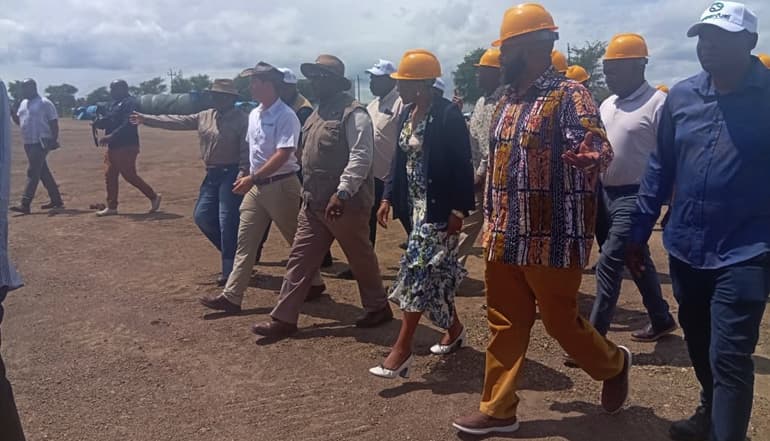
Dorowa Minerals Limited and Sabi Star Mine are both aligning their operations with the government's push to convert raw mineral output into finished industrial products. The developments were highlighted this week during a tour of both sites by Vice President Constantino Chiwenga.
Dorowa Minerals, which is being revived through a US$5.3 million injection from the Mutapa Investment Fund, produces phosphate used as a key ingredient in Compound D and NPK fertilisers manufactured by Zimphos and the Zimbabwe Fertiliser Company.
Its general manager, Hensen Mambo, outlined plans for the Shawa all-in-one project, a US$1.2 billion development that would replicate Zimphos' operations and supply regional markets including SADC and COMESA. The first phase, valued at US$525 million, will establish a mine, fertiliser plant, and acid facility. The mine is projected to produce 150 000 tonnes of phosphate concentrate annually, covering more than half of Zimbabwe's basal fertiliser demand.
"Currently, a bag of basal fertiliser costs about US$35. Once we are fully operational and aligned with other key enablers, we believe the price could drop to around US$20," said Mambo. The company is exploring debt financing through Afrexim Bank and other multilateral institutions.
Sabi Star Mine, a subsidiary of Maxi Mind Zimbabwe with US$170 million invested in lithium operations, has been stockpiling lithium ore inventory since the export ban took effect. Its chairman, Zou Bill, said the company intends to establish downstream battery material industries in Zimbabwe, drawing on its experience in China's battery materials sector.
"In China, we are a big producer of battery material and accessories, so in Zimbabwe, we want to continue our development and set up downstream industries," said Zou. The company is also conducting exploration for new resources and combines lithium and tantalite ore production to extend its mine lifespan beyond five years.
VP Chiwenga stressed that extracting minerals without processing them locally cannot sustain economic growth.
"Extracting minerals without adding value does not contribute to sustainable growth. We must prioritise industrial growth, manufacturing and infrastructure development for current and future generations," he said.
Sabi Star Mine has invested heavily in community development across Buhera, drilling 30 solar-powered boreholes, building the Mukubu Community Clinic, rehabilitating 37 kilometres of road to Gaza Business Centre, and donating 30 tonnes of maize to 600 families during the 2024 El Nino drought.
Reporting by Samuel Kadungure of The Manica Post.