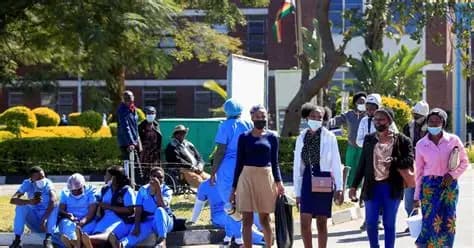
HARARE - Public consultations on the Constitution of Zimbabwe Amendment Bill No. 3, 2026, are under fire after widespread reports that participants were shut out of outreach meetings held across the country.
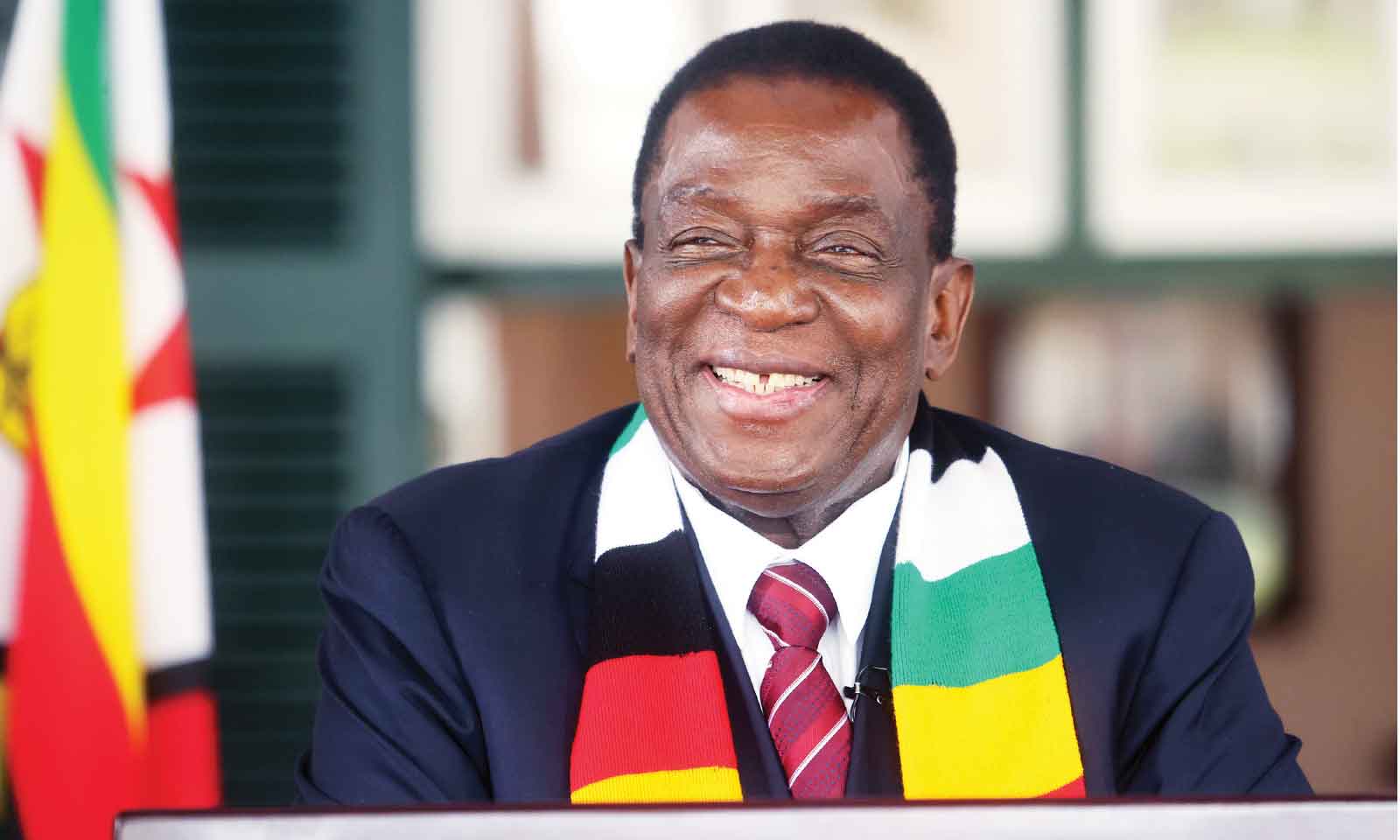
The bill, gazetted in February 2026, proposes extending presidential and parliamentary terms from five to seven years, which would allow President Emmerson Mnangagwa to remain in office until 2030 rather than stepping down in 2028 as required under the current constitution.
In Bulawayo, Mayor David Coltart said he was prevented from speaking at a City Hall consultation meeting. Coltart told reporters he arrived on time, sat in the front row, repeatedly raised his hand, and stood up when contributions were invited. He was ignored throughout. Fellow attendee Judith Todd reportedly faced the same treatment.
Civil society groups have condemned the pattern as a deliberate effort to manufacture consensus. They argue that the consultations are a constitutional requirement designed to give citizens a genuine voice, not a formality to be managed by ruling party officials.
The bill also proposes replacing the direct election of the president by voters with a parliamentary vote, transferring some electoral functions from the Zimbabwe Electoral Commission to the Registrar-General, and allowing traditional leaders to openly join political parties.
Traditional leaders face particular pressure. Reports emerged in late March that the Ministry of Local Government advised the president of the National Council of Chiefs to convene emergency provincial assemblies to consolidate support for the bill before a national chiefs gathering.
Human Rights Watch documented violence and intimidation against opponents of the bill as far back as March 10, 2026, including an assault on prominent lawyer Lovemore Madhuku, who has filed a Constitutional Court application to halt the process.
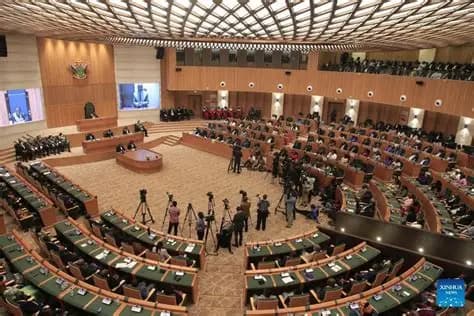
ZANU-PF holds a supermajority in the National Assembly and controls the Senate through traditional leaders and aligned proxies. Formal parliamentary debate is scheduled for on or after May 16, 2026.
Opposition figures and legal analysts argue a referendum is required under Section 328(7) of the constitution for any amendment that extends the time a person may hold public office. The ruling party has rejected that interpretation.
This report draws on coverage by Nehanda Radio, The Zimbabwean, and Al Jazeera.