Court Orders DNA Test as 18-Year-Old Woman Claims Two Husbands
Chief Zimunya’s traditional court has ordered a DNA test in a case involving an 18-year-old woman and two men who both claim to be her husband.
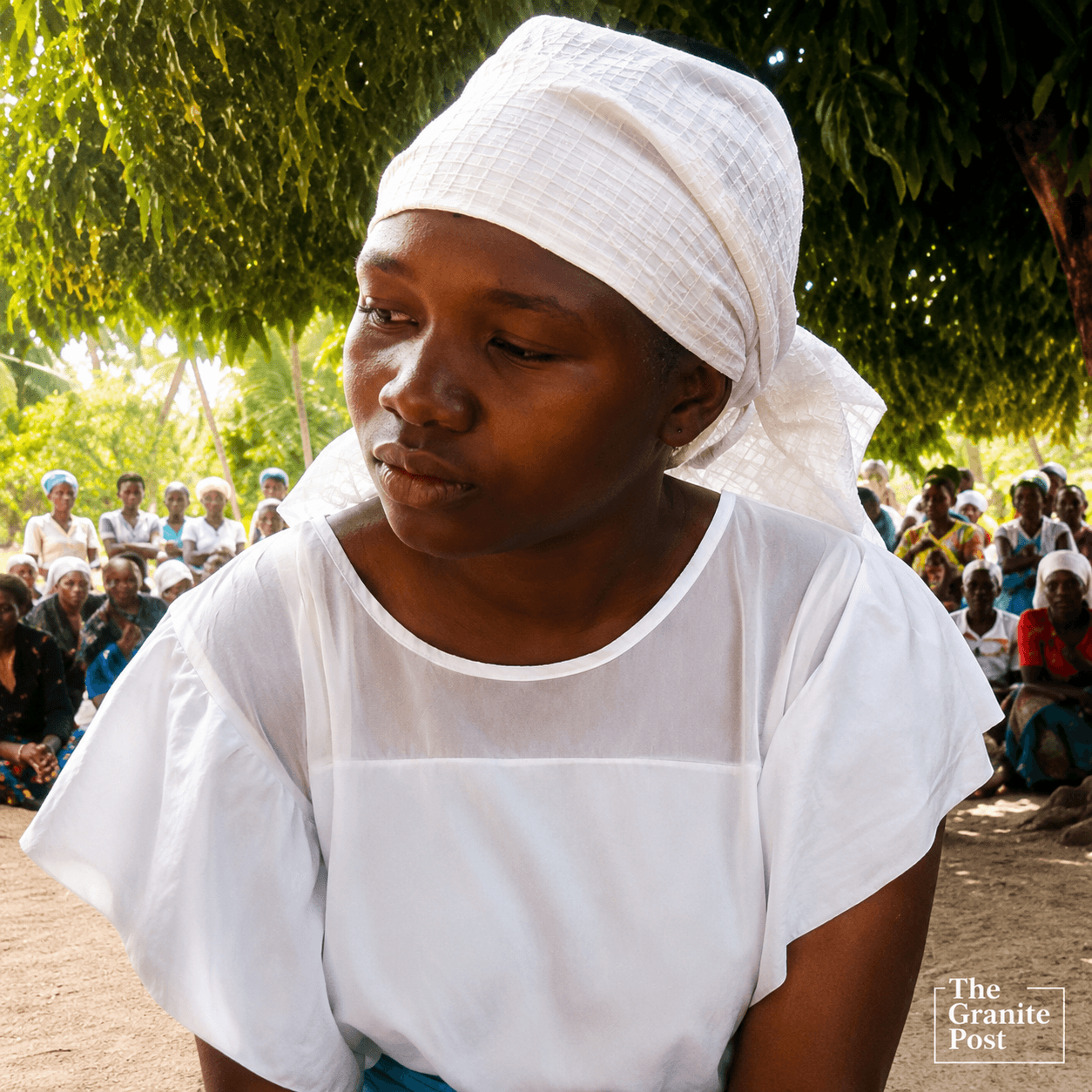
MUTARE — Chief Zimunya’s traditional court has ordered a DNA test to establish the paternity of a child at the centre of a dispute involving an 18-year-old woman and two men who both claim to be her husband.
The unusual case involves Tanatswa Muhomba, Godfrey Mutsago, a 35-year-old gold panner, and Takudzwa Mahlunge, a 22-year-old tout.
The three appeared before the traditional court after it emerged that Mutsago had paid lobola for Muhomba before she entered another relationship and started living with Mahlunge.
Mutsago told the court that his relationship with Muhomba began in 2024 while she was living with her maternal grandmother, 66-year-old Ketty Musikavanhu.
He later approached Muhomba’s relatives in Shamva and paid US$1,100 as lobola. However, he did not immediately take her to his home because he wanted to prepare for a formal wedding ceremony.
Before the planned wedding could take place, Muhomba left her grandmother’s home and became involved with Mahlunge, who was selling gas in the Zimunya area at the time.
The two later eloped and began living together.
Mahlunge told the traditional court that he entered the relationship without knowing that lobola had already been paid for Muhomba by another man.
He said Muhomba’s grandmother was aware of their relationship and had not informed him that another customary marriage arrangement already existed.
“I fell in love with this woman without knowing that she had a husband,” Mahlunge told the court.
He said the dispute had left him confused, particularly because the paternity of Muhomba’s child was now being questioned.
Mahlunge told the court that he was no longer certain whether he or Mutsago was the biological father.
Muhomba confirmed that Mutsago had paid lobola to her family but said she did not love him.
She told the traditional court that Mutsago left after paying lobola and did not return to complete their marriage plans.
Muhomba said she later fell in love with Mahlunge and chose to live with him.
Her grandmother confirmed that she was present when Mutsago paid lobola in Shamva.
Musikavanhu said Mutsago was the man she traditionally recognised as Muhomba’s husband because his lobola had been accepted by the family.
She said Mahlunge had not paid lobola, although she acknowledged that he had entered a relationship with Muhomba after she left home.
The dispute has also developed into a financial disagreement.
Mutsago told the court that he wanted the US$1,100 he paid as lobola returned. He also demanded that Mahlunge pay three times that amount as compensation for entering a relationship with a woman whose lobola had already been paid.
Chief Zimunya postponed the final determination of the case and ordered relatives from the families involved to attend the next hearing.
The court said their presence was necessary to establish who received the lobola, what agreements were made and whether the customary union between Muhomba and Mutsago was ever formally terminated.
Chief Zimunya also ordered a DNA test to determine the biological father of Muhomba’s child.
The result is expected to help resolve the paternity dispute between Mutsago and Mahlunge, although other matters involving lobola and the status of the relationships will still have to be determined separately.
The case has attracted attention because Zimbabwean customary marriages allow a man to have more than one wife, but the practice of a woman having more than one husband remains extremely rare and is not traditionally accepted.
Polyandry refers to an arrangement in which one woman has more than one husband at the same time.
Although rare, similar arrangements have previously been reported in Zimbabwe.
In 2013, a Magunje woman identified as Enetty Midzi attracted national attention after openly living with two men under the same roof.
Midzi reportedly regarded both men as her husbands, and the household became known in the community as “kwaMai Two Husbands”.
Her first partner, Chamunorwa Rurami, and her second partner, Samuel Pirkins Tsambara, reportedly shared the same home and ate meals together.
Midzi said she could not leave her first partner, with whom she had children, but also valued the second man because he provided financial support.
Another case emerged in Seke in 2022, where a nurse identified as Emma Nguwo reportedly lived with two men.
Nguwo said she had been open about her existing relationship when she met her second partner.
Her second partner reportedly accepted the arrangement and agreed that the first man could return to the family home after spending time working in South Africa.
These cases have remained controversial because they challenge established cultural expectations and customary marriage practices.
Some observers have linked such relationships to economic hardship, labour migration and long periods of separation between couples.
In some cases, one partner may leave the country or move to another area in search of employment, leaving the remaining partner to manage the household without regular emotional or financial support.
A new relationship may then develop before the previous customary union has been formally dissolved.
Chief Zimunya told the parties that Zimbabwean law and local custom did not permit a woman to maintain multiple husbands.
The traditional court is expected to continue hearing the case after the DNA test has been completed and the families involved have appeared.
The outcome will determine the child’s biological father and may also settle the dispute over the repayment of lobola.
For Muhomba, Mutsago and Mahlunge, the next hearing will be crucial in determining their future relationships, financial obligations and parental responsibilities.
· The Granite Post
Related articles




Latest updates




Comments
No comments yet. Be the first.