
ZPCS moves to tighten parole rules after regional conference
ZPCS parole reforms are now taking shape after a regional conference pushed Zimbabwe’s prison service to tighten rules, supervision and reintegration.

ZPCS parole reforms are moving from conference talk to policy work, with the Zimbabwe Prisons and Correctional Service saying it is now laying the regulatory groundwork for a tighter and more credible parole system.
The shift matters beyond the prison system itself. Parole is where rehabilitation, public safety and state capacity collide, and weak rules can turn release into risk, while stronger supervision can decide whether reintegration works or fails.
Zimbabwe’s parole system sits at the centre of a broader correctional debate: whether prisons are only meant to punish, or whether they can also prepare inmates to return to society without reoffending. That makes the strength of parole rules, monitoring and community support more than an administrative issue.
ZPCS says policy work is now under way
According to the Zimbabwe Prisons and Correctional Service Correctional Bulletin for April, the service is acting on lessons drawn from a recent regional Parole Conference.
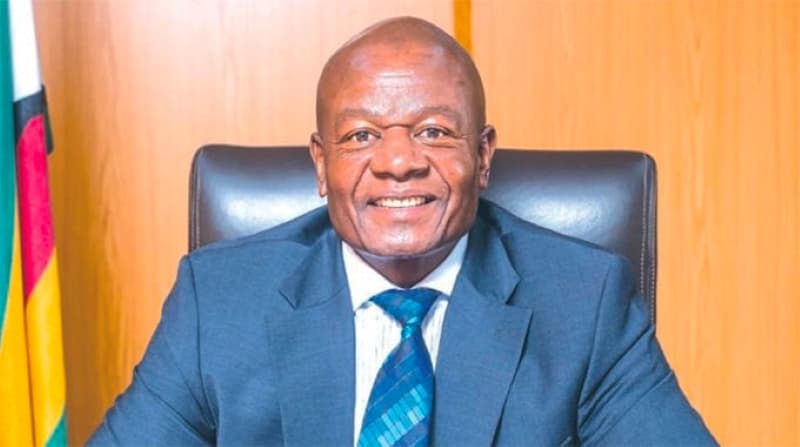
Chief Correctional Officer Ison Ndoro, the acting Staff Officer for Rehabilitation and Reintegration, said the most important lesson from the conference was that parole must rest on a solid regulatory base.
“The most significant insight is that the parole system must be anchored on sound regulations.” Chief Correctional Officer Ison Ndoro, acting Staff Officer for Rehabilitation and Reintegration
That admission matters because it points to the weakness the service is now trying to fix. A parole system cannot rely on goodwill, internal discretion or loose practice. It needs enforceable rules, clear thresholds and consistent oversight.
ZPCS is pushing a three-part parole blueprint
Ndoro said the service is focusing on three core pillars: stronger regulations, expert supervision and deeper community partnerships.
Those three elements are not equal add-ons. They are the system. Without regulations, parole decisions become inconsistent. Without supervision, release conditions mean little. Without community support, rehabilitation is reduced to paperwork.
“Proper supervision of parolees determines the extent to which the system will succeed.” Chief Correctional Officer Ison Ndoro, acting Staff Officer for Rehabilitation and Reintegration (as quoted by Chronicle)
That makes supervision the pressure point. It is one thing to release inmates under structured conditions. It is another to monitor compliance, manage risk and support reintegration in communities that may already be under economic and social strain.
The real test is not the conference but implementation
Regional conferences can produce frameworks, language and political will. They do not, on their own, produce a functioning parole system.
The harder question is whether ZPCS has the resources, trained personnel and community coordination needed to make those commitments real. Stronger regulations sound decisive, but they only matter if they are backed by enforcement capacity and institutions that can track parolees after release.
That is the contradiction built into reforms of this kind. The policy direction may be clear, but the operational burden comes later, when supervision, reporting and reintegration have to work outside conference rooms and inside real communities.
Community safety and rehabilitation now rise or fall together
The parole debate is often framed as a balance between public protection and second chances. In practice, those goals depend on each other.
A parole system that fails to monitor offenders can undermine public trust. A system that ignores rehabilitation can push former inmates back into the same conditions that led to offending in the first place. That is why ZPCS’s focus on community partnerships matters. Reintegration cannot be carried by the prison service alone.
What happens next will show whether this is reform or rhetoric
ZPCS has now signalled the direction it wants to take. The next step is whether those signals become formal rules, better supervision systems and measurable rehabilitation outcomes.
Until that happens, the real question is not whether the parole system needs strengthening, but whether the state can build the kind of oversight that makes parole safer for the public and meaningful for those released.
Additional reporting sourced from Chronicle. The Granite Post has independently verified key details.






Comments
No comments yet. Be the first.