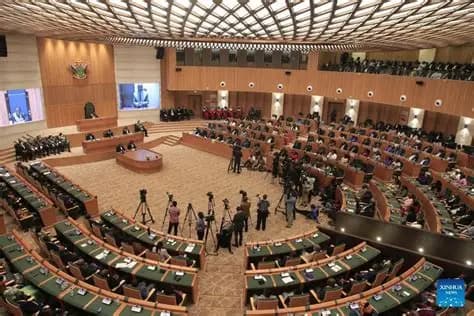
Zimbabwe’s public hearings on Constitutional Amendment Bill No. 3 are no longer being framed only as a consultation process. They are being described by critics as a coercive political exercise marked by intimidation, violence and alleged abductions of opponents.
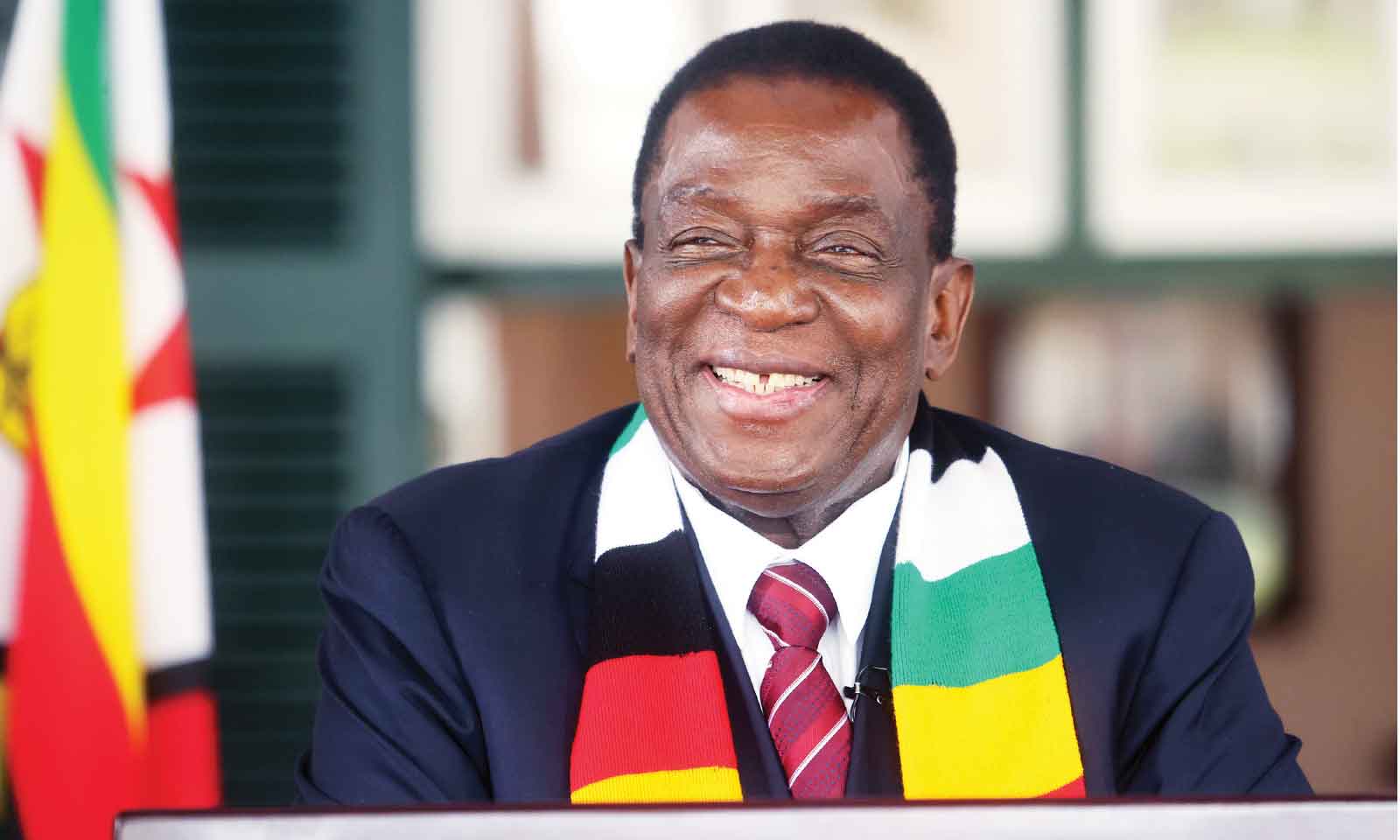
Reports from Harare, Bulawayo and Mutare describe hearings where critics of the bill were shouted down, dragged away or drowned out by organised crowds, while police allegedly failed to intervene. The fallout is now strengthening demands for a binding referendum on proposed changes that opponents say are designed to extend President Emmerson Dambudzo Mnangagwa’s rule beyond 2028.
Why the CAB3 process is now under heavier scrutiny
At the centre of the outrage is the widening gap between what the government says the hearings are and how many participants say they are being conducted.
The hearings were supposed to gather public views on proposed constitutional changes. Instead, critics say the process has been tilted in favour of the ruling Zimbabwe African National Union – Patriotic Front (ZANU-PF), with hired supporters bused in to dominate proceedings and suppress dissent. If true, that is not consultation. It is stage management.
The Zimbabwe Human Rights Commission reportedly criticised the process as one-sided and raised concern that traditional leaders and church figures were being pressured to support the amendments.
What opponents say is really at stake
Critics argue that Clause 3 of CAB3 is not a technical legal adjustment but the political centre of the whole exercise.
They say the proposal opens a path for Mnangagwa to remain in power longer, at a time when Zimbabwe is already under economic pressure, facing public frustration over jobs, inflation and political accountability. Opposition figures argue that changing the rules under those conditions will deepen mistrust rather than deliver stability.
Jameson Timba, a senior opposition figure, was quoted in the source text as saying the process amounts to “a coronation by force.” That line captures the central fear among opponents: that constitutional change is being used not to strengthen institutions, but to protect incumbency.
Abductions and violence turn a legal debate into a legitimacy crisis
Once hearings become associated with alleged beatings, intimidation and forced silence, the argument stops being only about the text of a bill. It becomes about whether the state is prepared to hear opposition at all.
That is the structural problem now confronting CAB3. Even if government insists the process is democratic, allegations of abductions and violence undermine the legitimacy of whatever outcome follows. A constitutional amendment passed through fear will not settle the debate. It will poison it.
Human rights lawyer Fadzai Mahere was cited in the source text as calling for Supreme Court intervention, arguing that the amendments violate the spirit of the 2013 Constitution.
Why referendum demands are gaining force
The harder the process appears to be controlled from above, the stronger the case becomes for a national vote.
Opponents now argue that a referendum is the only credible way to test whether Zimbabweans genuinely support such far-reaching constitutional changes. That demand is growing not because the bill is merely unpopular in some quarters, but because the consultation process itself is increasingly being viewed as compromised.
If Parliament proceeds without that broader mandate, the amendment may pass legally, but it will still face a deeper problem: many citizens may never accept it as politically or morally valid.
What happens next
If CAB3 moves forward through Parliament without a referendum and without a credible response to allegations of violence and intimidation, Zimbabwe risks importing a constitutional dispute into an already tense political environment.
The real danger is no longer only what the bill says on paper. It is what kind of politics will be required to enforce it after the hearings are over.
The Granite Post has independently verified key details.