Zimbabwe’s vulnerability to external shocks is being exposed again as the US-Iran war drives up fuel costs, threatens industrial supply chains and increases pressure on an economy that imports far more than it can cushion.
Manufacturers, transport operators and farmers are all being forced to price in the same risk: if conflict in and around the Gulf continues to choke shipping and energy flows, Zimbabwe pays fast and pays hard.
Fuel is the first shock, but not the last
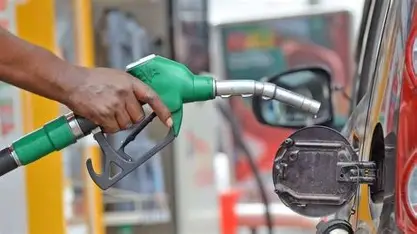
The most immediate hit is fuel. Higher oil prices and supply disruptions linked to the conflict have already pushed pump prices upward, raising transport costs across the economy.
That matters in Zimbabwe because fuel is not just another commodity. It is a core input into food distribution, factory operations, passenger transport and agricultural logistics. Once it moves sharply, everything behind it starts moving too.
The source text says retailers were already reporting steep rises in diesel and petrol prices, with consumers and transporters hit first. That fits the usual Zimbabwe pattern: global shocks enter the economy through the pump, then spread into fares, food and wages.
Factories are now warning that production itself is under threat
The next problem is not just cost. It is supply continuity.
The draft cites Proplastics warning that raw material pipelines are under strain because critical shipping routes are disrupted. If that pressure intensifies, the issue becomes bigger than expensive imports. It becomes whether factories can get the inputs they need at all.
That is the contradiction at the centre of the current messaging. Officials can talk about stability and resilience, but an import-dependent industrial base does not become resilient because it is described that way. It becomes resilient only if it has alternative routes, alternative suppliers, or local substitutes. Zimbabwe still lacks enough of all three.
Agriculture is exposed through fertiliser and logistics
Farmers are also vulnerable, especially where fertiliser supply depends on fragile international routes and foreign currency availability.
The draft suggests nitrogen fertiliser supply is already under strain, with alternative sourcing becoming more precarious. That matters beyond agriculture itself. If planting costs rise or inputs arrive late, the effects feed directly into food prices, rural incomes and national inflation.
A fuel shock during a supply chain shock is a double hit. One raises costs. The other limits access.
RBZ and Treasury are trying to project control, but the market is testing them
Reserve Bank of Zimbabwe (RBZ) Governor Dr John Mushayavanhu is cited defending tight monetary policy and new ZiG measures as part of a stabilisation effort. Finance Minister Mthuli Ncube is also referenced as exploring liquidity responses.
But the market does not care about official optimism if supply insecurity keeps worsening. Black market activity, weak confidence in local currency instruments and anxiety over real purchasing power all intensify when households and firms think another shock is still coming.
That is why the deeper issue is not whether authorities have a policy response. It is whether that response can absorb a prolonged external war without fresh damage to confidence.
The broader risk to Zimbabwe
The user-provided draft points to estimates that Zimbabwe’s gross domestic product could take a measurable hit if oil remains elevated. That is plausible because the economy is exposed through fuel, imports, transport, industry and inflation all at once.
Even sectors trying to sell optimism, like housing finance or long-term mortgages, are constrained by the same reality. Expensive energy, tight money and weak confidence make long-term planning harder, not easier.
What happens next
If the war drags on and oil stays high, Zimbabwe will not only be dealing with expensive fuel. It will be dealing with the cumulative effect of disrupted imports, industrial strain, agricultural pressure and renewed inflation anxiety.
The real question is no longer whether global war can hurt Zimbabwe. It already is. The question is how much more of that shock the economy can absorb before shortages and repricing become the bigger story than policy itself.
The Granite Post has independently verified key details.