HARARE - Zimbabweans are paying significantly more to fill a tank, board a minibus or buy a loaf of bread this week following two rounds of fuel price increases in March 2026 that have pushed petrol up 39.1 percent in less than three weeks, the sharpest rise recorded across the SADC region from the same global oil shock.
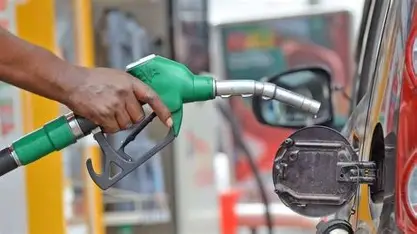
The increases were authorised by the Zimbabwe Energy Regulatory Authority. On 4 March, ZERA raised diesel from $1.52 to $1.77 per litre and petrol from $1.56 to $1.71. The regulator noted at the time that prices would have been even higher, at $1.90 for diesel and $1.81 for petrol, had the government not partially cushioned the increase. Before that cushion could be felt, ZERA issued a second adjustment on 18 March: blended petrol rose to $2.17 per litre and diesel to $2.05.
The trigger is the ongoing conflict involving the United States and Israel against Iran, which began in late February 2026. The strikes and retaliatory actions disrupted shipping through the Strait of Hormuz, one of the world's most critical oil transit routes. Brent crude climbed from approximately $81.40 a barrel on 3 March to over $106 by 20 March, a rise of more than 30 percent in 17 days.
Zimbabwe absorbs oil shocks faster and more severely than most of its neighbours because it imports all of its fuel and has limited fiscal space to subsidise prices. While South Africa, Zambia and Botswana absorbed similar global price moves with single-digit percentage increases at the pump during the same period, Zimbabwe's two consecutive hikes produced the 39.1 percent aggregate increase that analysts described as the most severe in the region.
The downstream effects are already visible. Public minibus fares in Harare rose within days of the first hike. Market vendors and informal traders, who use transport to move goods, built the increased costs into their prices. The nurses who went on strike at Parirenyatwa, Sally Mugabe and Chitungwiza hospitals this week cited the fuel hikes directly: their ZiG500 transport allowance, worth roughly $15 at the official rate, now covers fewer than three commuting days.
The Reserve Bank of Zimbabwe cited these same fuel price increases when it held its benchmark interest rate at 35 percent at the 24 March Monetary Policy Committee meeting. Governor John Mushayavanhu warned of second-round inflationary effects filtering through transport and food costs, and said the MPC would "stay the course" rather than begin the rate-cutting cycle that had been expected for mid-2026 before the Iran conflict changed the calculation.
The Confederation of Zimbabwe Industries reported on 24 March that 56.1 percent of local firms had already logged supply chain disruptions, a figure recorded before the second fuel hike took full effect in businesses' logistics costs.
Zimbabwe's annual inflation remains in single digits at 3.85 percent as of February 2026, but the MPC projected that month-on-month inflation would rise through March, April and May before stabilising from June. Whether that projection holds will depend on how long the Middle East conflict continues to suppress global oil supply.
For ordinary Zimbabweans, the practical question is simpler: how much further do fares, bread and basic goods rise before June.